Street Celebrations: Carnivals of Hope
When city streets are closed to vehicular traffic, they revert to their most ancient purpose: a theater for collective drumming, shared meals, and joyous assembly.
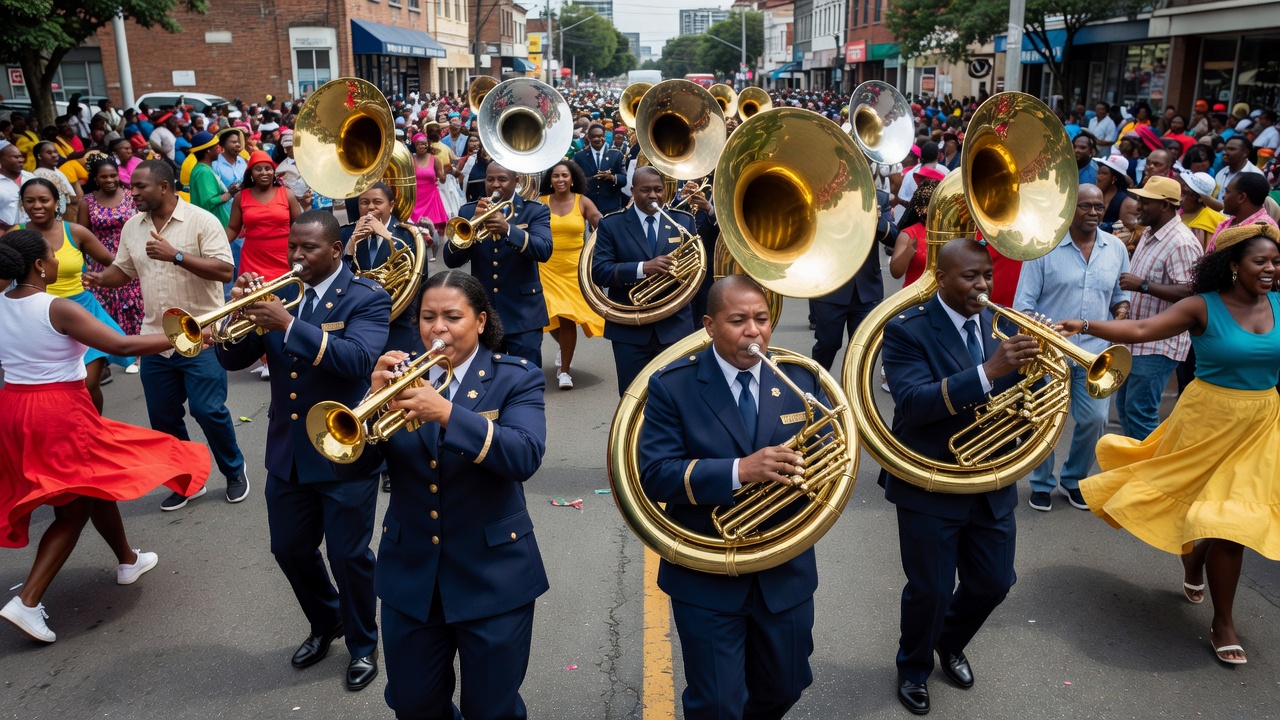
Across every continent, public streets are the primary stage where communities affirm their presence, express grievances, and celebrate collective existence. Beyond institutional municipal parades, true cultural resilience lives in spontaneous street carnivals, neighborhood block parties, and grassroots sound system sessions.
The Brass Bands and Second Lines of New Orleans
In the Tremé and 7th Ward districts of New Orleans, Sunday second lines organized by Social Aid and Pleasure Clubs represent an unbroken legacy of Black mutual aid. Originating in the nineteenth century when commercial insurers refused coverage to African American families, these clubs collected small weekly dues to guarantee dignified burials and healthcare support.
Today, the musical procession following the brass section is an open-air celebration of survival. Tubas, snares, and trumpets blast traditional spirituals alongside syncopated modern bounce rhythms. For four hours, ordinary sidewalks become sacred dance floors where neighbors embrace and pass around plates of slow-simmered red beans and rice.
Palermo’s Ballarò and the Vucciria Night Feasts
In the heart of Sicily, the labyrinthine alleyways of Ballarò transform after twilight. Wooden stalls that sold fresh sea bream and artichokes by day morph into smoky charcoal grilling stations.
Vendors roast sweet scallions wrapped in pancetta (cipollate) and boil cauldrons of chickpeas for panelle fritters. Tunisian couscous stalls sit adjacent to multi-generational Sicilian trattorias, serving as tangible evidence of centuries of maritime migration across the Mediterranean. Diners sit on plastic upturned crates, proving that true dining culture belongs to the public square rather than Michelin-starred dining rooms.
| Gathering | City & Quarter | Sound / Rhythm Form | Culinary Staple |
|---|---|---|---|
| Sunday Second Line | Tremé, New Orleans | Brass syncopation & bounce | Red beans, smoked sausage, rice |
| Ballarò Night Market | Palermo, Sicily | Tarantella & North African rai | Panelle, stigghiole, sfincione |
| Notting Hill Carnival | Kensington, London | Dub sound systems, steel pan | Jerk chicken, saltfish patties |
| Fête de la Musique | Belleville, Paris | Balkan brass, gnawa drumming | Merguez baguettes, mint tea |
Sound System Culture: The Portable Democratic Commons
In post-war Kingston, Jamaica, and subsequently across migrant neighborhoods in London, Birmingham, and Bristol, sound system culture pioneered acoustic self-reliance. Builders hand-wired massive wooden bass enclosures, valve amplifiers, and turntables, setting up on street corners and empty community centers.
These sound systems did more than entertain; they operated as living newspapers. Lyricists (deejays) toasted over heavy basslines, delivering news on housing conditions, racial justice, and neighborhood events that were ignored by mainstream broadcasters. By gathering thousands of people in shared vibrational frequencies, sound systems remain one of the twentieth century’s most vital democratic artistic interventions.
Host an Open-Air Community Meal
Explore our civic guide on securing street closure permits, organizing potluck hygiene, and fostering acoustic-friendly neighbor relations.
Download Event Toolkit